A Professional's Take on the New Waterproof Headphones
Introduction
Waterproof headphones have moved from a niche accessory to an essential tool for active lifestyles. Whether used for lap swimming, rainy runs, hot yoga, or outdoor labor, modern waterproof models promise durability and reliable audio without compromising on comfort. This article provides a professional, practical analysis of waterproof headphones as a category. It examines design choices, performance trade-offs, real-world use cases, and what buyers typically care about when selecting a pair for their routine.
Detailed Product Review and Analysis
When reviewing waterproof headphones, professionals evaluate several factors beyond mere water resistance. Waterproofing is one feature among many—sound quality, fit and retention, battery life, connectivity, and long-term durability are equally important. The analysis below breaks these elements down to help readers understand what to expect from contemporary waterproof headphone designs.
Waterproof Ratings and What They Actually Mean
The first specification to check is the IP (Ingress Protection) rating. Most consumer waterproof headphones advertise ratings such as IPX4, IPX7, or IP68. IPX4 indicates resistance to splashes and sweat—ideal for gym sessions and light rain—while IPX7 means the device can survive immersion in up to 1 meter of water for 30 minutes. IP68, a higher dust-and-water protection rating, is sometimes used for true submersion scenarios.
Professionals advise: match the IP rating to the intended use. For pool laps and open-water swimming, look for IPX7 or above and explicitly stated suitability for swimming. For running and gym use, IPX4–IPX6 is often adequate, but users should still avoid prolonged submersion and high-pressure water jets.
Design and Build: Materials, Seals, and Buttons
Waterproof headphones employ several design strategies: sealed housings, membrane-covered controls, and magnetic or touch-based interfaces to reduce ingress points. Materials vary from soft silicone ear tips and neckbands to rugged polymer shells used in over-ear models. Seams and ports (charging, microphone) are the most vulnerable areas; manufacturers commonly use rubber flaps or internal waterproof membranes to protect these.
A professional assessment should include tactile testing: can the user operate buttons reliably when wet? Are charging ports protected yet accessible? Is the device comfortable with wet skin or a wet cap? These practical checks help determine if the theoretical waterproof rating translates into real-world reliability.
Sound Quality: Expectations and Trade-offs
Waterproofing imposes constraints on drivers and acoustic design. Sealed housings and membranes can alter frequency response, often rolling off extreme highs or changing bass character. Additionally, earbud fit becomes critical: water in the ear canal or pool earplugs can affect perceived bass and imaging.
Professionals evaluate sound across conditional scenarios—dry, sweaty, and wet. In many waterproof models, the best sound is achieved with a secure seal and properly sized ear tips. For swimmers, bone conduction headphones offer the advantage of keeping ears clear, though they trade off low-end impact and sound isolation.
Fit, Retention, and Comfort
Fit is the primary determinant of usability for active users. For running and high-impact sports, secure retention—ear fins, wing tips, over-ear hooks, or a neckband—prevents constant adjustment. For swimmers, specialized earwraps or compact, flush designs reduce drag and the chance of dislodgement. Over-ear and on-ear waterproof models offer greater comfort for long sessions but are less convenient for swimming.
Professionals recommend testing multiple tip sizes and retention accessories. Buyers should prioritize a stable fit that does not rely solely on friction; look for mechanical retention systems where possible. Comfort with wet skin—materials that do not chafe or slip excessively—is also crucial for long workouts.
Battery Life and Charging in Wet Conditions
Battery life ranges widely depending on form factor. True wireless earbuds typically offer 6–12 hours per charge with additional charges in the carrying case; neckband designs and over-ear models often provide much longer runtimes. Waterproofing complicates charging: sealed units may use wireless charging or covered USB ports. Faster charging remains attractive, but it must be implemented without compromising seals.
Discover deals on Audio & Headphones — updated daily.
View Offers →Professionals advise considering how often the device will be used and the charging convenience. For daily swimmers, a long single-charge life or hassle-free wireless charging is preferable to frequent cable-based charging, which increases wear on protective flaps.
Connectivity, Latency, and Codecs
Bluetooth performance remains a key concern. Waterproof headphones should maintain a stable connection even when the wearer is moving or when the device sits under a swim cap. Low latency becomes important for users watching guided workout videos. High-efficiency codecs (AAC, aptX variants) improve perceived audio quality but can be less critical for sport-focused use where background noise is high.
Professionals test connectivity resilience in typical environments: crowded gyms, open water with reflections, and urban commutes. Reliable pairing and minimal dropouts are essential for an uninterrupted workout.
Microphones and Call Quality
Microphones on waterproof headphones often use acoustic chambers and water-resistant meshes. Call quality can be affected by wind and water; professionals look for multiple microphones and effective beamforming to reduce ambient noise. For users who need to take calls during outdoor activity, the microphone's performance in windy, wet conditions is a practical consideration.
Durability, Maintenance, and Longevity
Saltwater, chlorine, and sweat are corrosive. Long-term reliability depends on seals and material resistance. Professional users who swim in pools or the sea should rinse headphones with fresh water after exposure and dry them thoroughly. Replaceable ear tips, detachable fins, and accessible service or warranty options extend the usable life of a product.
Manufacturers vary in their approach to warranties for water damage; buyers should read warranty terms carefully. Extended warranties or optional service plans are useful for heavy users.
Safety: Awareness in Water and on the Road
Safety is paramount. For swimmers, local laws and venue rules often govern headphone use—open-water swimming with headphones can reduce awareness of boats and other users, so the reviewer should recommend conservative volume settings and situational awareness. For runners and cyclists, models with partial ambient pass-through or transparency modes balance hearing environmental cues with audio enjoyment.
Pros & Cons
- Pros:
- Reliable protection against sweat, rain, and occasional submersion depending on IP rating
- Designed for active lifestyles with secure fit systems
- Many models balance adequate sound quality with ruggedness
- Low-maintenance: easy to rinse and dry after workouts
- Useful features like water-specific equalization and activity modes
- Cons:
- Waterproofing can impose acoustic compromises (duller highs, altered bass)
- Charging and port protection can be less convenient
- Saltwater and chlorine exposure accelerate wear without careful maintenance
- Some high-waterproof models sacrifice low-latency connections or advanced codecs
- Safety concerns when used in open water or heavy traffic without care
Comparison Table: Popular Waterproof Headphone Types
| Form Factor | Typical IP Rating | Ideal Use Cases | Sound Isolation | Battery Life (typ.) | Notes |
|---|---|---|---|---|---|
| True Wireless Earbuds | IPX4–IPX7 | Running, gym, casual swimming (IPX7+) | High (good seal) — can be complete in-ear isolation | 6–20 hours with case | Compact; charging case often non-waterproof |
| Neckband Earbuds | IPX4–IPX7 | Gym, running, long sessions | Medium — in-ear tips with some ambient leakage | 10–30+ hours | Long battery life; neckband may be uncomfortable when wet |
| Over-Ear Headphones | IPX4–IPX6 (less common IPX7) | Indoor workouts, cold/rainy commutes | High — strong passive isolation | 20–40+ hours | Bulky for swimming; better for extended dry use |
| Bone Conduction | IPX6–IPX8 | Open-water swimming, runners needing ambient awareness | Low — leaves ears open | 6–12 hours | Good situational awareness; reduced bass and immersion |
Buying Guide: What Professionals Recommend
1. Define the Primary Use Case
Start by clarifying where and how the headphones will be used. Swimming requires different features than trail running. If lap swimming is the priority, prioritize IPX7+ ratings and a model explicitly tested for swimming. For road running, prioritize fit, wind-resistant microphones, and features that allow hearing ambient traffic.
2. Understand IP Ratings and Manufacturer Claims
IP ratings are specific—pay attention to the test conditions. IPX7 does not guarantee indefinite waterproofing, nor does it account for saltwater corrosion. Look for manufacturer statements about suitability for saltwater or chlorinated pools and check warranty policies related to water damage.
3. Prioritize Fit and Retention Systems
Secure fit beats marginally better driver performance for active users. Look for models with multiple tip sizes, fins, or hooks. Consider the accessory ecosystem: replacement tips, clips, and straps can make a cheap pair more usable, while high-end models often include custom-fit options.
4. Balance Audio Quality with Practical Constraints
Expect some compromise. Choose a model that provides clear mids and adequate bass without critical dependence on extended high-frequency response, especially for outdoor use where environmental noise reduces the impact of fine detail. For swimmers who prioritize speech in podcasts, ensure adequate midrange clarity.
Shop the latest Audio & Headphones picks on Amazon.
View Offers →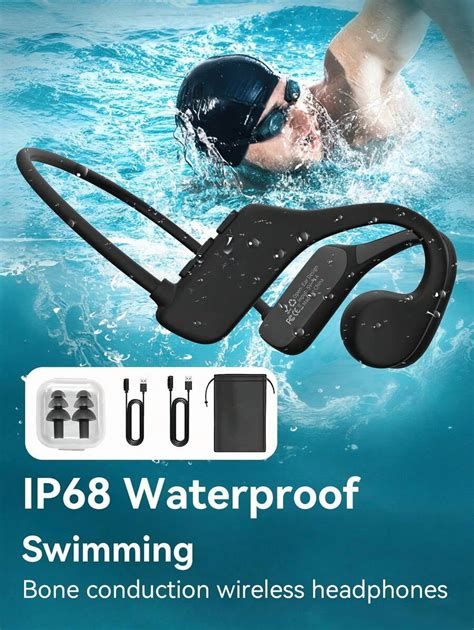
5. Battery and Charging Strategy
Consider how frequently the headphones will be used and whether wireless charging is a must. For daily long workouts, a model with extended single-charge life reduces exposure to charging port manipulation. If carrying a charging case is acceptable, true wireless earbuds remain convenient despite shorter per-charge runtimes.
6. Connectivity and Features
Stability, multi-device pairing, low latency, and onboard controls matter. Professionals suggest testing pairing procedures and ensuring firmware update channels exist—regular firmware updates can improve connectivity and stability. Transparency modes, adjustable EQ, and app support can enhance the experience for active users.
7. Microphone and Call Performance
If calls or voice coaching are part of the workflow, evaluate microphone performance in windy, wet conditions. Look for directional microphones and wind-reduction algorithms. If call quality is critical, a neckband or over-ear model with more robust microphone hardware may be preferable.
8. Durability and Maintenance
Rinse and dry after exposure to pool or sea water. Avoid storing wet headphones in closed cases. Replace ear tips periodically; check for surface degradation on fins and seals. Buy models with replaceable parts and consider a protective case for transport. Read warranty details to understand coverage limits for water damage and wear.
9. Safety Considerations
For open-water swimming and outdoor activities in traffic, prioritize situational awareness. Use lower volumes, consider bone conduction for ear-free listening, or choose models with robust transparency modes. In shared water spaces, be mindful of local rules and safety best practices.
10. Price vs Value
Waterproof headphones span entry-level to premium prices. Professionals recommend assessing total cost of ownership: warranty, expected lifespan under saltwater exposure, replaceable parts, and accessory availability. Sometimes paying more for better seals and materials reduces long-term replacement costs.
Real-World Use Cases and Buyer Concerns
Buyers typically care about specific, practical questions: Will they stay put during a 5K? Can they survive daily exposure to pool chlorine? Are they comfortable during a two-hour ride in the rain? Here are common scenarios and the attributes that matter most in each.
- Lap Swimming: IPX7+, secure low-profile fit, rinseable materials, and compatibility with earplugs. Sound clarity for spoken workouts is prioritized over deep bass.
- Open-Water Swimming: High waterproof rating, bright colors for visibility, and conservative volume settings for safety. Consider bone conduction to keep ears free for situational awareness.
- Running in Rain: Sweat and splash resistance, wind-resistant mics, secure fit, and comfortable earhooks. Lightweight designs prevent chafing during long runs.
- Gym and HIIT: Sweatproof seals, stable retention, on-device controls for music and voice prompts, and a short charge time when needed between sessions.
- Commuting in Wet Weather: Balanced sound isolation to reduce noise but maintain environmental awareness; long battery life for all-day use.
Conclusion
Waterproof headphones are a genre of their own, shaped by trade-offs between acoustic performance and environmental resilience. Professionals recommend approaching purchase decisions by first understanding the primary use case, then selecting a form factor and IP rating that reflect real-world conditions. Fit and retention systems often make the biggest difference to day-to-day satisfaction, while maintenance practices—rinsing, drying, and replacing consumables—determine longevity.
Ultimately, the most suitable waterproof headphone is one that aligns with the user’s activity, safety requirements, and maintenance willingness. With the right expectations and care, waterproof headphones can reliably accompany users through rain, sweat, and even submersion, expanding where and how audio can be enjoyed.