Eos R6 Mark Ii First Look: Unboxing and Impressions
The landscape of the full-frame mirrorless market has shifted dramatically since the initial release of the R-series, and the arrival of the Eos R6 Mark Ii marks a significant milestone in this evolution. As a successor to one of the most popular versatile workhorses in the industry, this camera carries the weight of high expectations. Designed for the enthusiast who demands professional-level performance without the bulky footprint of a flagship body, the E6 Mark Ii aims to be the definitive "everything" camera. In this first look, we dive deep into what makes this second-generation body stand out, starting from the moment the seal is broken on the box to the first several hundred frames captured in the field.
The philosophy behind the Mark Ii version isn't just about incremental resolution bumps. Instead, it represents a fundamental refinement of the user interface, sensor speed, and autofocus intelligence. While the original model was lauded for its low-light prowess and ergonomics, it faced stiff competition regarding thermal management during video recording and total pixel count for landscape work. The Eos R6 Mark Ii addresses these concerns head-on, offering a new 24.2-megapixel sensor and a host of internal upgrades and external physical tweaks that streamline the shooting experience for hybrid creators who jump between photography and cinematography dozens of times a day.
Inside the Box: The Unboxing Experience
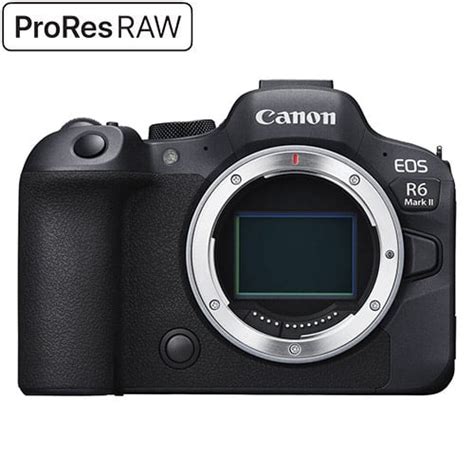
Opening the box of the Eos R6 Mark Ii reveals a package that is focused on utility and professional standards. The packaging is minimalist and eco-conscious, reflecting modern industry trends. Upon lifting the lid, the first thing visible is the documentation packet, which includes the basic user guide and warranty information. Beneath this layer, the camera body itself is cradled in a protective wrap, alongside the essential accessories that make up the kit. Users will find the LP-E6NH lithium-ion battery, which has become the standard for this class of camera, offering high capacity and backward compatibility with older chargers. The LC-E6 battery charger is also included, providing a dedicated way to power up without relying solely on USB-C charging, although the camera does support power delivery through its port.
Further exploration of the box reveals the wide neck strap, branded specifically for this model, and a cable protector meant to secure tethering or HDMI connections during studio use. Notably, the build quality of the body is immediately apparent upon first contact. The magnesium alloy chassis feels substantial yet balanced. The texture of the grip is deep and tacky, providing a secure hold even for those with larger hands or when using heavy L-series glass. This initial tactile impression reinforces the idea that this is a tool meant for rigorous use in unpredictable environments, from rainy sidelines to dusty hiking trails.
Detailed Product Analysis and Technical Performance
The heart of the Eos R6 Mark Ii is its newly developed 24.2-megapixel CMOS sensor. While 24 megapixels might seem like a modest number in an era of 60-plus megapixel giants, this resolution is often considered the "Sweet Spot" for the majority of professional applications. It provides plenty of detail for large-format prints while keeping file sizes manageable and data throughput fast enough to support blistering burst rates. Coupled with the DIGIC X processor, this sensor allows the camera to reach electronic shutter speeds of up to 40 frames per second. This is a game-changer for sports and wildlife photographers who need to capture the exact millisecond a bird takes flight or an athlete makes contact with a ball.
One of the most impressive aspects of the internal architecture is the lack of "rolling shutter" distortion. Even though the Mark Ii does not use a stacked sensor like the more expensive R3, the readout speed has been significantly improved. This means that using the electronic shutter for moving subjects is far more viable than it was on the previous generation, where vertical lines might appear tilted during fast pans. Furthermore, the inclusion of the "Pre-shooting" mode allows the camera to start buffering images the moment the shutter is pressed halfway, saving up to 0.5 seconds of action before the full press occurs. This feature is invaluable for unpredictable subjects where human reaction time is the limiting factor.
Autofocus Intelligence and Subject Tracking
The autofocus system in the Eos R6 Mark Ii benefits from the latest deep-learning algorithms. It doesn't just recognize eyes and faces; it has been trained to identify a vast array of subjects including horses, trains, aircraft, and various animals. In real-world testing, the stickiness of the focus is remarkable. When tracking a subject moving erratically, the AF points stay glued to the eye or the head of the subject with a level of tenacity that was once reserved for five-figure flagship sports cameras. For wedding photographers, this means being able to shoot wide open with prime lenses at f/1.2 or f/1.4 and trusting that the focus will remain on the bride despite people moving across the frame.
The integration of the "Multi-function shoe" at the top of the camera also expands the technical capabilities. This new shoe design allows for a digital connection to accessories like microphones and XLR adapters, eliminating the need for analog cables that are prone to interference. This shift highlights the camera's positioning as a serious tool for video production. The video specs themselves are equally impressive, featuring oversampled 4K video at up to 60p using the full width of the sensor. By sampling from a 6K area, the 4K output is exceptionally sharp with minimal noise, even at higher ISO settings.
Looking for the best Electronics deals on Amazon?
Shop Amazon →Physical Refinements and Ergonomics
Canon has made several small but significant changes to the physical layout of the Eos R6 Mark Ii that enhance its speed of use. The most noticeable change is the relocation of the power switch. It has been moved to the right side of the camera, near the main dial, allowing for one-handed operation. This allows a photographer to pull the camera from a bag and power it on as it rises to their eye, ensuring they never miss a shot. On the left side where the power switch used to reside, there is now a dedicated toggle to switch between Photo and Video modes. This is a massive improvement for hybrid shooters, as the camera maintains separate settings for each mode, including shutter speed, aperture, and even custom button assignments.
The 3.69-million dot electronic viewfinder (EVF) remains a high point of the design. It offers a smooth 120fps refresh rate, which is critical for tracking movement without the "slideshow" effect that cheaper EVFs can produce. The rear vari-angle touchscreen is also robust, allowing for high and low-angle shooting in both landscape and portrait orientations. For vloggers and solo content creators, the ability to flip the screen to face forward is a standard but essential feature that is executed here with a sturdy hinge that doesn't feel flimsy.
Comparison Table: Eos R6 Mark Ii vs. Predecessor
To understand the value proposition of the new model, it is helpful to look at the raw specifications compared to the original version. The improvements are widespread, touching on resolution, speed, and video capabilities.
| Feature | Original Eos R6 | Eos R6 Mark Ii |
|---|---|---|
| Sensor Resolution | 20.1 Megapixels | 24.2 Megapixels |
| Max Continuous (Electronic) | 20 Frames Per Second | 40 Frames Per Second |
| Video Oversampling | 5.1K to 4K | 6K to 4K |
| Low Light AF Range | EV -6.5 | EV -6.5 |
| Subject Detection | Humans, Animals, Vehicles | Humans, Animals, Vehicles, Aircraft, Trains, Horses |
| Video Record Limit | 29:59 minutes | No Limit (Thermal dependent) |
| Multi-Function Shoe | No | Yes |
Pros and Cons
Every camera system involves a set of trade-offs. While the Eos R6 Mark Ii is an incredibly powerful tool, it is important to weigh the advantages against the limitations to see if it fits your specific workflow.
- Pro: Exceptional Speed – The 40fps electronic shutter and 12fps mechanical shutter make this one of the fastest cameras in its price bracket, perfect for action.
- Pro: Superb Subject Tracking – The deep-learning autofocus is significantly ahead of most competitors, particularly in how it handles obscured or fast-moving targets.
- Pro: Hybrid Workflow – The dedicated Photo/Video toggle and separate settings menus make transitioning between mediums seamless and intuitive.
- Pro: In-Body Image Stabilization (IBIS) – Offering up to 8 stops of compensation with compatible lenses, it allows for sharp handheld shots at very slow shutter speeds.
- Con: Single-Threaded EVF/LCD – While the screens are high quality, the lack of a "blackout-free" display (found in stacked sensor models) can be a minor distraction at very high burst rates.
- Con: Compact Battery Life – While the LP-E6NH is good, the high-performance processor and EVF can drain the battery quickly during heavy video use or high-speed bursts.
- Con: Pricing Pressure – As a premium enthusiast body, its price point nears that of some older flagship or high-resolution specialized bodies.
Buying Guide: Is This Camera for You?
Choosing a camera body requires an honest assessment of your typical shooting conditions and your long-term goals. The Eos R6 Mark Ii is positioned as a versatile mid-range professional body, but it isn't the right choice for every single photographer. Below are several use cases to help determine if this is the right investment for your kit.
The Action and Wildlife Photographer
If your primary focus is birds in flight, professional sports, or high-energy events, the Eos R6 Mark Ii is arguably the best value on the market. The sheer speed of the autofocus system and the 40fps burst rate provide a high "hit rate" that was previously unattainable without spending twice as much on a flagship body. The improved 24.2MP sensor also gives a bit more room for cropping than the previous 20MP sensor, which is often needed when you can't get close enough to the action.
The Wedding and Event Professional
For those who shoot in dimly lit churches or fast-paced reception halls, the low-light performance of this sensor is world-class. It retains detail and color accuracy even at ISO 6400 and beyond. The silent electronic shutter is a vital tool for ceremonies where a clicking shutter would be a distraction. Additionally, the dual SD card slots provide the necessary redundancy that professionals require for "once-in-a-lifetime" events.
The Hybrid Content Creator
If you produce YouTube content, commercial shorts, and professional stills, this camera is built for you. The ability to shoot 4K 60p without a crop means you can keep your wide shots wide, and the inclusion of C-Log3 allows for professional color grading in post-production. The thermal management has been significantly improved over the first generation, meaning you are unlikely to see overheating warnings during a standard interview or a typical shooting day.
Looking for the best Electronics deals on Amazon?
Browse Now →The Landscape Specialist
This is perhaps the one area where you might want to look elsewhere. Landscape photographers often prioritize total resolution for massive prints and extreme cropping. While 24 megapixels is enough for a 24x36 inch print, those who regularly produce gallery-sized works or need to crop heavily into distant mountains might prefer a high-resolution body like those in the 45MP to 60MP range. However, for most digital delivery and standard printing, the R6 Mark Ii remains more than sufficient.
Real-World Use Cases
To truly understand a camera, we must look at how it behaves in the hands of users in the field. One common scenario involves the "Blue Hour" street photographer. Carrying the Eos R6 Mark Ii through a city at dusk highlights the effectiveness of the In-Body Image Stabilization. When paired with an RF 35mm f/1.8 lens, it is possible to take sharp half-second exposures handheld. This eliminates the need for a tripod in many urban environments, allowing for a more discreet and mobile shooting experience. The autofocus assist also works in extremely low light, finding focus points in shadows where the human eye might struggle.
In a controlled studio environment, the camera behaves with clinical precision. When tethered to a computer, the USB-C connection is fast and reliable. Portrait photographers will find the Eye-AF to be a revelation; once the camera locks onto an eye, it simply does not let go, even as the model moves or changes poses. This allows the photographer to focus on composition and lighting rather than worrying about whether the focal plane has shifted by a few millimeters.
Finally, consider the parent at a school play or a basketball game. The "Pre-shooting" mode mentioned earlier is perhaps one of the most practical features for non-professionals. It allows you to wait for the "peak moment"—the basket被 scored or the child taking a bow—and even if you are a split second late in pressing the button, the camera has already recorded the frame. This removes the stress of timing and ensures that family memories are captured perfectly.
Conclusion
The Eos R6 Mark Ii is a testament to the power of refinement. While it doesn't reinvent the wheel, it polishes every spoke until it shines. By merging the high-speed DNA of flagship sports cameras with the accessibility and ergonomics of the enthusiast line, Canon has created a tool that feels natural in almost any situation. It is a camera that gets out of the way, allowing the creator to focus on the subject rather than the interface. For anyone currently using an older DSLR or the first-generation mirrorless bodies, the jump in autofocus reliability and overall speed is palpable.
Buying into a camera system is about more than just the body; it is about the ecosystem of glass and accessories. The RF lens mount is now mature, with a wide variety of lenses ranging from affordable "nifty fifties" to exotic zooms. The Eos R6 Mark Ii stands as the perfect anchor for this ecosystem, offering enough performance to satisfy professionals while remaining approachable enough for the dedicated hobbyist. It is a balanced, powerful, and ultimately inspiring piece of technology that sets a high bar for the industry.