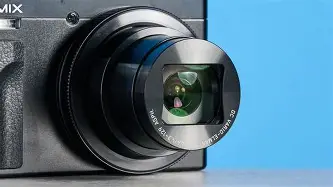
The Truth About the Lumix Zs99: Pros, Cons, and Verdict
Category: Electronics
Introduction
The Panasonic Lumix Zs99 is a compact travel zoom aimed at photographers who want more capability than a standard point-and-shoot without carrying a mirrorless or DSLR. It sits in a class of "advanced compact" cameras that try to balance image quality, reach, and pocketability. For buyers who prioritize convenience—packing light for trips, shooting family moments, or capturing distant subjects without changing lenses—the Zs99 promises an appealing mix of features. This article examines what the camera actually delivers in real-world use, weighs its strengths and weaknesses, and offers guidance for prospective buyers.
Product overview and intended audience
The Lumix Zs99 is designed for travelers, casual enthusiasts, and everyday shooters who need a versatile camera that fits into a jacket pocket or daypack. It targets people who care about:
- Better image quality than a typical smartphone or basic compact camera
- Substantial optical zoom without adding bulk
- Manual controls and creative features for learning photography
- Decent video capabilities for family clips or travel footage
In short, the Zs99 attempts to be an all-purpose camera for on-the-go shooting where changing lenses is inconvenient and full-size systems are impractical.
Detailed product review and analysis
Design and ergonomics
The Zs99 continues the compact-travel design philosophy: a small body, a retractable long-range lens, and a set of physical controls for faster operation than touchscreen-only alternatives. The camera generally feels solid in the hand for its size, and the layout places key controls—mode dial, exposure compensation, and a dedicated movie button—within easy reach. A modest thumb grip helps with stability, but extended telephoto shooting will still benefit from steady posture or a lightweight monopod.
Two practical features often appreciated on trips are the built-in electronic viewfinder (EVF) and a tilting display. The EVF is handy for bright-sun shooting when the rear LCD can be hard to read, and the tilting screen aids framing at high or low angles. For vloggers who need a front-facing screen, the tilting mechanism helps but is not a substitute for a fully articulating display.
Image quality and sensor performance
One of the Zs99's key selling points is its larger-than-average compact sensor. Compared with smaller 1/2.3-inch sensors in many superzoom compacts, a 1-inch class sensor offers notably improved dynamic range, better low-light performance, and cleaner high-ISO images. Photographers shooting landscapes, cityscapes, or portraits in mixed lighting will find the difference helpful.
In real-world scenarios—indoors at family gatherings or at dusk while traveling—the Zs99 produces usable files with reasonable noise control when ISO is kept moderate. It also supports RAW capture, allowing more flexibility for post-processing adjustments in exposure and white balance, which is valuable for hobbyists and enthusiasts who edit their images.
Lens and zoom capability
Long zoom reach is the Zs99’s other headline feature. The camera’s lens covers a wide focal range, making it useful from landscapes to distant subjects such as street scenes, wildlife at a distance, and architectural details. The optical zoom avoids the severe quality drop that comes with extreme digital zoom on smartphones.
However, greater telephoto reach brings trade-offs. At full zoom, image stabilization and autofocus performance become critical; handheld shots at long focal lengths are more susceptible to camera shake and slower AF lock. For users who frequently shoot moving subjects at long range, a faster camera or a longer lens on a larger-body system might be preferable.
Autofocus and shooting speed
For everyday use—vacation snapshots, family photos, and travel street shooting—the Zs99’s autofocus is adequate. It generally locks onto static subjects quickly, and contrast-detect systems paired with intelligent AF modes perform well in normal conditions. In low light or when tracking fast-moving subjects, the AF can be slower or hunt, which is common for compact cameras in this class.
Shooters should temper expectations if coming from modern high-end mirrorless bodies with advanced phase-detect AF and high frame-rate continuous shooting. The Zs99 is not optimized for sports or fast-action wildlife photography, but it does a competent job for most casual and travel scenarios.
Shop the latest Electronics picks on Amazon.
Shop Amazon →Video features
Video capability is a meaningful part of the Zs99’s appeal. The camera includes options for high-resolution video capture useful for travel diaries and family moments. Features like 4K recording modes and "4K Photo" functionality (which extracts stills from high-frame-rate video) are convenient for capturing decisive moments where timing a single shutter press is difficult.
That said, videographers who require advanced video tools—log profiles, external mic jacks with monitoring, or cinema-style framerates—may find the Zs99 limited. The internal microphone handles basic audio capture, and while stabilization helps for walk-and-talk clips, severe panning or complex gimbal-style shots are better achieved with dedicated video cameras or larger systems.
Battery life and storage
Compact cameras trade battery size for pocketability, and the Zs99 is no exception. Typical real-world battery life supports a day of moderate shooting (several hundred images or a moderate amount of video), but heavy 4K recording or long days of zoomed shooting will consume charge quickly. Carrying one spare battery is a sensible precaution for travelers who may be away from reliable charging opportunities. The camera uses standard removable memory cards; choosing a fast card is recommended for high-bitrate video and burst shooting.
Connectivity and extras
Built-in Wi-Fi and mobile connectivity features make image transfer convenient for users who want to share photos on the road. Smartphone pairing allows remote shutter release and basic camera control, which is handy for group shots and creative angles. Other small touches—customizable function buttons, in-camera filters, and shooting modes—help users adapt the camera to their preferred workflow.
Pros & Cons
Pros
- Compact and portable: Significantly smaller than mirrorless/DSLR systems while offering many advanced features.
- Improved image quality: Larger sensor than typical compacts gives better low-light performance and dynamic range.
- Long optical zoom: Versatile focal range for travel, street, and distant subjects without swapping lenses.
- 4K video and 4K Photo: Useful tools for capturing action and extracting high-resolution stills from video.
- Electronic viewfinder and tilting screen: Helpful for composing in bright light and from awkward angles.
- RAW support and manual controls: Appeals to enthusiasts who want to learn and edit.
Cons
- Limited low-light autofocus at long zoom: AF and stabilization can struggle in dim conditions or at maximum telephoto.
- Battery life: Compact size limits battery capacity; heavy users will need a spare battery.
- Not ideal for fast action: Continuous AF and high-speed burst performance lag behind higher-end mirrorless bodies.
- Ergonomic compromises: Small body can be less comfortable for prolonged handheld use, especially with long zooms.
- Video limitations for pros: Lack of advanced professional video features may deter serious videographers.
Comparison: Lumix Zs99 vs. competitors
The following table compares the Zs99 with two common alternatives that buyers often consider: popular 1-inch-sensor compacts and travel-oriented superzooms. The goal is to help readers weigh trade-offs rather than present exhaustive specs.
| Model | Sensor class | Typical zoom reach | Video | Portability | Best for |
|---|---|---|---|---|---|
| Lumix Zs99 | 1-inch class | Long-range optical zoom (travel-friendly) | High-resolution video options (including 4K) | Very portable, pocketable | Travel photographers who want reach and better image quality than phone |
| Sony RX100 series | 1-inch class | Shorter to moderate optical zoom (varies by generation) | Excellent video and AF in recent models | Extremely compact | Enthusiasts wanting top image quality in smallest package |
| Superzoom compacts (large zoom range) | Smaller sensors (1/2.3" typical) | Very long optical zoom (much longer reach) | Good for casual video, limited low-light performance | Portable, often slightly larger | Users prioritizing maximum reach for wildlife or distant subjects |
Real-world use cases and buyer priorities
Understanding actual shooting scenarios helps clarify whether the Zs99 is the right choice. The following examples reflect common buyer concerns and how the camera holds up in practice.
Travel and sightseeing
Travelers value a camera that can capture landscapes, cityscapes, and details without adding weight. The Zs99's large sensor and zoom make it a strong travel companion: it captures wide scenes and zoomed-in architectural details while fitting into a jacket pocket. Battery management and carrying a spare are sensible practices for full-day excursions. When used in daylight and moderate light, the camera produces images that are a clear step up from smartphones.
Family and everyday photography
For family events and casual everyday shoots, portability and ease of use matter. The Zs99's automatic modes and in-camera scene selections simplify point-and-shoot use, while RAW and manual controls are available when the user wants more creative control. The EVF helps when lighting is variable, and the zoom helps frame distant subjects at gatherings without moving through a crowd.
Street and documentary-style shooting
Street shooters generally prefer small, unobtrusive gear with fast autofocus and responsive handling. The Zs99 can perform well for street photography during the day; however, the relatively longer default zoom focal lengths compared to a prime lens or a compact wide-angle can change shooting style. For intimate street portraits and low-light scenes, a faster prime on a mirrorless body will remain superior.
Vlogging and casual video
The Zs99 provides enough video features for travel vlogs and family recordings. Built-in stabilization and 4K options are handy, but audio capture is basic. For creators who need lapel mics, headphone monitoring, or advanced codecs, a mirrorless camera with dedicated video support is a better match. Still, for users who want a single, pocketable device for stills and casual video, the Zs99 is convenient.
Buying guide: How to decide if the Lumix Zs99 is right for you
When evaluating the Zs99, consider the following checklist. These points reflect what buyers typically care about and can be used as a quick decision framework.
Looking for the best Electronics deals on Amazon?
Shop Amazon →1. Prioritize image quality over ultimate reach?
If image quality in low light and flexibility in post-processing are important, the Zs99's larger sensor and RAW support make it an attractive option. If maximum telephoto reach matters more than low-light IQ, look at longer superzoom compacts or consider a telephoto on a larger interchangeable-lens system.
2. How important is pocketability?
The Zs99 will appeal when carrying minimal kit is a must—short trips, everyday carry, or as a backup for heavier gear. If a small bag is acceptable, a lightweight mirrorless with a versatile zoom might deliver better long-term flexibility.
3. Do you shoot a lot of video?
For casual video, the Zs99 is solid. For more demanding video work—external audio, advanced picture profiles, or long continuous recording—steer toward cameras built with videographers in mind.
4. Are autofocus speed and continuous shooting critical?
Action photographers and sports shooters need fast AF and high burst rates. The Zs99 is generally competent for everyday subjects but is not optimized for fast-action shooting. If this is a priority, a mid-range mirrorless body is a better match.
5. Consider long-term upgrade paths
One advantage of interchangeable-lens systems is the ability to change lenses as needs evolve. If learning photography and upgrading over time is part of the plan, weigh whether a starter mirrorless kit offers better growth than a high-end compact.
6. Budget and second-hand market
Advanced compacts often appear on the used market with attractive prices. Buyers on a tight budget can find great value in well-maintained used units, but they should check battery condition and shutter counts where applicable. Also consider the availability of accessories like filters and spare batteries.
Practical tips for getting the best results
- Carry a spare battery: Compact cameras tend to have limited battery reserves; a backup prevents missed shots on long days.
- Use a fast memory card for video: Choose cards rated for high-bitrate 4K recording to avoid dropped frames or recording interruptions.
- Stabilize at long zoom: When shooting at full telephoto, brace the body, use a stable stance, or employ a monopod to reduce blur.
- Shoot RAW when possible: RAW files give more latitude for exposure correction and noise reduction, particularly in challenging lighting.
- Learn the camera’s custom functions: Custom buttons and quick menus speed up operation during sightseeing or candid moments.
Conclusion
The Lumix Zs99 is a convincing choice for photographers who want more than a smartphone and less than a full mirrorless kit. It balances a larger compact sensor, significant optical zoom, and practical travel-friendly ergonomics in a pocketable package. In everyday travel, family, and casual shooting scenarios it delivers real advantages: better image quality than typical compacts, flexible focal reach, and useful video features for documenting life on the go.
That said, the camera makes trade-offs. Those who need the fastest autofocus, longest zoom reach, or pro-level video tools may find other solutions more appropriate. Ergonomically, the small body can be limiting for long handheld sessions, and battery life requires planning for extended outings.
Ultimately, the Zs99 is best suited to the enthusiastic traveler or everyday shooter who values convenience and a notable step-up in image quality, without the weight and complexity of interchangeable lenses. For this audience, it offers an appealing and practical tool—one that performs well in the scenarios most buyers care about and earns its place as a reliable companion for on-the-go photography.