The Ultimate Showdown: Iphone 17 Pro Max vs Samsung Galaxy S25 Ultra for 2026
In 2026, the flagship smartphone market is distilled into two competing philosophies: Apple's vertically integrated approach embodied by the iPhone 17 Pro Max, and Samsung's feature-forward, hardware-heavy strategy represented by the Galaxy S25 Ultra. Buyers shopping at the top tier want more than raw specs — they want real-world performance, camera versatility, long-term software support, dependable battery life, and the right trade-offs for their daily routines. This article walks through those considerations, compares the two phones across the areas buyers care about, and offers a pragmatic buying guide for different types of users.
At a glance: What each flagship brings to the table
The iPhone 17 Pro Max continues Apple's focus on cohesive hardware-software integration, polished industrial design, and computational photography. It leans on efficiency and seamlessness: consistent updates, excellent video tools, and a strong ecosystem that unlocks value for users with Macs, iPads, and wearables.
The Samsung Galaxy S25 Ultra represents Samsung's ambition to pack as many on-device capabilities as possible: a large, bright display with high refresh rates, extensive camera hardware (especially telephoto reach), broad customization, and marketplace-friendly features such as multi-window productivity and accessory compatibility.
Detailed product analysis
Design and build
Both devices target the premium segment with metal-and-glass construction and IP ratings for water and dust resistance. The iPhone 17 Pro Max favors a refined, minimalist aesthetic and often trims thickness and weight where possible for better one-handed handling. Apple typically uses a ceramic or strengthened glass back, tight tolerances, and a design language that prioritizes pocketability and ergonomics.
The S25 Ultra tends to be larger and more angular, prioritizing a bigger canvas for media and multitasking. Samsung frequently uses slightly curved edges to maximize screen footprint and minimize bezels, which feels immersive for video and gaming but can increase surface area and perceived size.
Display
Display quality is central to the premium experience. The iPhone 17 Pro Max offers an OLED panel tuned for color accuracy, sustained brightness for HDR content, and ProMotion-like adaptive refresh rates that balance responsiveness with battery life. Apple’s displays are often calibrated with operating system-level tuning that benefits professional photo and video tasks.
The Galaxy S25 Ultra pushes the envelope on raw numbers — peak brightness and maximum refresh rates are emphasized, and Samsung supplies extensive display settings for color profile, refresh rate control, and always-on display customization. For users who prioritize maximum on-screen brightness for outdoor use or highest refresh rate for gaming, the S25 Ultra often pulls ahead.
Performance and battery
The iPhone relies on Apple’s integrated silicon and software optimizations. This yields consistent real-world performance, especially in single-threaded tasks, low power draw in background processes, and efficient thermal management. For many users, the perceived speed and fluidity across apps and iOS updates create a responsive experience even several years down the line.
Looking for the best Electronics deals on Amazon?
Shop Amazon →Samsung’s Ultra models typically use region-dependent chipsets (the latest Qualcomm Snapdragon or a Samsung flagship SoC). These processors are very powerful, with advantages in multi-core benchmarks and specialized hardware for AI tasks. Samsung often pairs the chipset with generous RAM to sustain heavy multitasking.
Battery life depends on use: both phones are engineered to deliver a full day under normal mixed use. In practice, the S25 Ultra’s larger battery and aggressive power management for lower-refresh scenarios can extend runtime under screen-on heavy activities, while the iPhone’s chip-level efficiency closes the gap in light-to-moderate daily use. Fast charging speeds and wireless charging vary by model and region; users who value quick top-ups should check official charging specifications for each model in their market.
Cameras and imaging
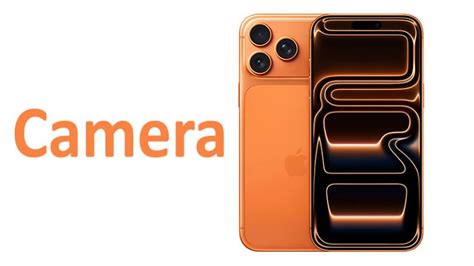
Camera systems are one of the most visible battlegrounds. The iPhone 17 Pro Max emphasizes consistent, natural color rendering, superior video capabilities (including advanced stabilization and pro-grade codecs), and tight computational processing that improves dynamic range and low-light shots. Apple’s video workflow and ProRes/ProRAW options remain attractive to creators who want to edit on the device or within Apple’s ecosystem.
The Galaxy S25 Ultra tends to lead in hardware versatility: periscope telephoto lenses with extended optical zoom, high-megapixel main sensors for detailed cropping, and an array of shooting modes. Samsung also leans into aggressive computational modes that maximize detail or produce vivid, contrast-forward images — good for users who prefer punchier results straight out of the camera or who need long-range zoom for wildlife, sports, or surveillance-style snapshots.
Software, ecosystem, and longevity
iOS on the iPhone 17 Pro Max delivers a curated experience with years of major OS updates, consistent security patches, and deep integration with Apple services and devices. For users already invested in Apple’s ecosystem, continuity features (handoff, universal clipboard, AirDrop, optimized backups) add seamless convenience and tangible daily utility.
Samsung’s One UI on top of Android provides customization freedom and features aimed at productivity: split-screen multitasking, extensive gesture controls, and native support for styluses in S-series Ultra models when included or compatible. Android’s open nature means more third-party customization and choice, but it also places some burden on the user to manage app sources and permissions.
Repairability and service
Both manufacturers improve serviceability via authorized repair channels. Apple has expanded its self-service repair offerings in recent years, while Samsung supports widespread repair through its service centers. Buyers who value easy repairs or predictable service experiences should check regional availability of parts and out-of-warranty service costs before purchasing.
Pros & cons
iPhone 17 Pro Max
- Pros: Seamless hardware-software integration; excellent video and consistent computational photography; long-term software and security updates; polished ecosystem features for productivity and continuity; efficient performance with great thermal control.
- Cons: Less telephoto zoom range compared with competitors; fewer hardware customization options; accessory and feature availability tied to Apple’s ecosystem; premium price with limited incremental upgrades for some users.
Samsung Galaxy S25 Ultra
- Pros: Versatile camera hardware with extended optical zoom; extremely bright and high-refresh display; flexible software customization and multitasking features; generally feature-rich out of the box (expandable storage options vary by model/market).
- Cons: Software patch cadence and long-term update promises have improved but vary by region; device size may be unwieldy for single-handed use; a more aggressive camera processing style may not suit all tastes.
Side-by-side comparison
| Category | iPhone 17 Pro Max | Samsung Galaxy S25 Ultra |
|---|---|---|
| Display | Pro-grade OLED, color-accurate, adaptive refresh; compact feel with high brightness for HDR | Large, very bright AMOLED with high refresh rates and extensive display tuning options |
| Performance | Apple’s latest integrated silicon optimized for efficiency and single-core performance | Top-tier multi-core performance with high RAM configurations; region chip variations possible |
| Cameras | Computationally refined photos and industry-leading video tools; consistent color and dynamic range | Hardware versatility with long-range telephoto and high-resolution sensors; aggressive detail enhancement |
| Battery & Charging | Efficient battery life in everyday use; strong integration with power-saving modes | Large battery with faster wired charging options in many markets; longer on-screen time under heavy load |
| Software & Updates | Long OS support and consistent updates; tight Apple ecosystem benefits | Feature-rich One UI with more customization; improved OS update commitments but varies |
| Accessories & Ecosystem | Works best with Apple devices and services; accessories tailored to iPhone form factor | Broad accessory compatibility; better for users who mix devices or rely on third-party tools |
| Ideal for | Creators who prioritize video, users invested in Apple ecosystem, buyers who value longevity and consistency | Photography enthusiasts who need zoom, power users who value customization and a large display |
Real-world use cases and buyer considerations
Photography and content creation
If the primary aim is consistent, color-accurate footage and a streamlined editing workflow, the iPhone 17 Pro Max is designed to satisfy creators who value reliability and ease of use. Its video tools, codecs, and ecosystem integrations (iCloud, AirDrop, seamless Mac editing) shorten the capture-to-publish cycle.
Looking for the best Electronics deals on Amazon?
Shop Amazon →For users who need reach — sports photographers, wildlife observers, or travel photographers who rely on zoom rather than carrying multiple lenses — the S25 Ultra’s telephoto hardware is a strong advantage. The phone’s high-resolution sensors also give more leeway for aggressive cropping without a severe hit to detail.
Gaming and demanding apps
Both phones handle demanding games well, but the S25 Ultra’s high refresh rates and larger thermal envelope can sustain intensive gaming sessions. Meanwhile, the iPhone’s optimized silicon often provides higher frame stability and lower variance between games thanks to developer familiarity with iOS hardware.
Everyday productivity
For email, messaging, document editing, and video calls, ecosystem continuity matters. The iPhone provides frictionless handoff between devices. Conversely, the S25 Ultra’s split-screen multitasking and compatibility with input devices may make it a better fit for someone who treats the phone as a portable workstation.
Travel and battery-first users
Travelers should weigh battery longevity, charging convenience, and network compatibility. The S25 Ultra’s larger battery and faster charging often win for long-haul days with heavy camera use, but the iPhone’s efficiency and predictable standby behavior also make it a dependable travel companion. Both manufacturers support robust cellular bands, but buyers should verify specific carrier compatibility for their region.
Buying guide: How to choose in 2026
- Decide on ecosystem priorities: If already invested in Apple’s ecosystem (Mac, iPad, AirPods, Apple Watch), the iPhone 17 Pro Max will amplify that investment. If a buyer prefers Android flexibility or uses Samsung tablets or Windows PCs extensively, the S25 Ultra integrates more naturally.
- Camera needs: Choose the iPhone for consistent, natural imaging and best-in-class video tools. Choose the S25 Ultra for hardware versatility and extended optical zoom.
- Size and ergonomics: Try both phones in hand. The Ultra may feel larger and heavier; those who prioritize one-handed use should verify comfort and pocketability.
- Software longevity: If long-term OS support and security updates are critical, the iPhone traditionally offers a longer window of guaranteed major updates. Samsung’s update policy has improved, but check the official commitments for the specific model and region.
- Battery and charging habits: If fast top-ups are essential, compare official wired charging specs. If wireless or reverse wireless charging is used frequently, confirm supported speeds and accessory compatibility.
- Resale and value: iPhones often retain resale value well due to demand and OS longevity. The S25 Ultra can be a better value if purchased with carrier promotions or trade-in bonuses, but depreciation varies.
- Repairability and warranties: Review local repair options, warranty terms, and availability of authorized parts if repairability or low long-term service costs are important.
- Privacy and software openness: Users who prefer a tightly controlled app environment and predictable privacy controls may prefer iOS; those who value sideloading, customization, and deeper system access may prefer Android/One UI.
Final thoughts
The iPhone 17 Pro Max and the Samsung Galaxy S25 Ultra are both excellent flagships, but they serve subtly different priorities. The iPhone is best for users who value system-level cohesion, long-term updates, and a refined capture-to-edit video workflow. The S25 Ultra is the pick for those who want hardware headroom — especially in zoom, display brightness, and on-device customization — and who treat the phone as a multifunctional tool for heavy multitasking and creative flexibility.
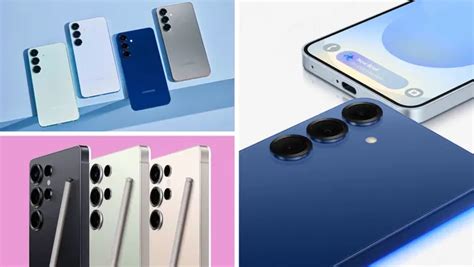
Ultimately, the decision comes down to the buyer’s daily patterns: whether they value the continuity and predictability of Apple’s ecosystem or the expansive hardware feature set and customization of Samsung’s approach. Trying both devices in real-world scenarios — shooting photos, editing a short video, playing a favorite game, and carrying each device through a typical day — is the most practical final test. Either choice will deliver a premium smartphone experience in 2026; the best one is the device that aligns with the buyer’s workflow, device relationships, and long-term priorities.