Z 50 First Look: Unboxing and Impressions
The landscape of mirrorless photography has undergone a seismic shift since the introduction of full-frame systems, yet the demand for compact, capable, and affordable cropped-sensor cameras remains stronger than ever. The entry of the Z 50 marks a significant milestone for enthusiasts and creators who prioritize portability without wishing to sacrifice the professional-grade ergonomics and mounting systems found in higher-end equipment. As a DX-format mirrorless camera, it serves as a gateway into a modern ecosystem, bridging the gap between high-end smartphones and professional workstations.
In this first look, the focus lies on the tactile experience, the technical specifications, and the immediate impressions of how this device handles in real-world scenarios. For photographers transitioning from traditional DSLRs or those looking to expand their creative toolkit, the Z 50 represents a refined approach to the APS-C market. It isn't merely a scaled-down version of its full-frame siblings; it is a purposefully designed tool tailored for the needs of travel photographers, vloggers, and hobbyists who value agility.
Unboxing and Initial Physical Impressions
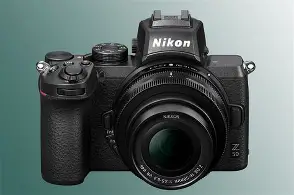
Opening the box of a new camera system typically reveals the manufacturer's priorities. With the Z 50, the packaging is efficient and straightforward, emphasizing the "ready-to-go" nature of the kit. Upon first contact, the most striking quality is the weight—or lack thereof. Despite its featherweight feel, the camera does not feel like a toy. It retains a magnesium alloy front frame and a weather-sealed construction that suggests it can withstand the rigors of daily travel and varying environmental conditions.
The ergonomics are immediately familiar to anyone who has handled a modern digital camera, yet they feel optimized for a smaller footprint. The grip is surprisingly deep, allowing for a secure hold even when using larger lenses. This is a critical design choice, as many compact mirrorless cameras often require optional external grips to feel balanced. The button layout is intuitive, placing the most vital controls within reach of the right hand, ensuring that settings can be adjusted without taking one's eye away from the viewfinder.
Build Quality and Design Language
The aesthetic is unmistakably modern, featuring sharp lines and a matte black finish that hides fingerprints well. The inclusion of a pop-up flash—a rarity in many contemporary mirrorless designs—speaks to its target audience of family photographers and casual users who may occasionally need a bit of fill light in challenging conditions. The rear of the camera is dominated by a clear, responsive 3.2-inch touchscreen that tilts significantly, reflecting a design ethos that favors creative angles and self-recording capabilities.
Technical Analysis: Sensor and Processing Power
At the heart of the Z 50 is a 20.9-megapixel CMOS sensor. While some might look at higher megapixel counts in the competition, this particular resolution is a "sweet spot" for several reasons. By keeping the pixel density manageable on an APS-C sensor, the camera is able to deliver exceptional low-light performance and a broad dynamic range. This is particularly useful for those who frequently shoot at dusk or in indoor environments where artificial lighting is suboptimal.
Paired with a high-speed image processing engine, the camera is capable of handling complex tasks such as 4K video recording and high-speed continuous shooting up to 11 frames per second with full autofocus and auto-exposure. This level of performance ensures that users can capture fast-moving subjects—such as pets, children, or local sports—with precision. The autofocus system utilizes 209 points that cover approximately 90% of the frame, allowing for creative compositions where the subject is placed near the edges of the image.
Low Light Performance and ISO Sensitivity
One of the primary concerns for APS-C buyers is how the camera handles noise as the light fades. The Z 50 manages an ISO range that extends significantly, providing clean images up to ISO 6400 and usable files even further up the scale. The processing engine does a commendable job of retaining detail while smoothing out grain, ensuring that evening street photography or indoor events are captured with clarity. This capability is a drastic improvement over older DSLR models in the same category, making it a viable upgrade for those still holding onto aging hardware.
Modern Features for Modern Creators
The way people consume and create media has changed, and the Z 50 is built to accommodate this shift. The electronic viewfinder (EVF) is a standout feature, offering 2.36 million dots of resolution. It provides a bright, lag-free preview of exactly how the final exposure will look, taking the guesswork out of complex lighting setups. This "what you see is what you get" workflow is one of the greatest advantages of the mirrorless transition.
For video creators, the camera offers uncropped 4K UHD video. This is a vital distinction, as many competitors in this price bracket crop the sensor further when shooting in 4K, making it difficult to maintain a wide-angle perspective. The addition of a 120p slow-motion mode in 1080p allows for cinematic B-roll, which is essential for modern vlogging and documentary-style storytelling. Furthermore, the specialized "Self-Portrait" mode activates when the screen is flipped down 180 degrees, automatically adjusting settings to simplify the process of filming oneself.
Shop the latest Electronics picks on Amazon.
See Deals →Connectivity and Workflow
In a world of instant sharing, the inclusion of robust Wi-Fi and Bluetooth connectivity is no longer optional. The Z 50 integrates seamlessly with mobile applications, allowing for the rapid transfer of JPEGs and RAW files directly to a smartphone for social media posting or cloud backup. The ability to use a phone as a remote shutter and monitor is a major plus for solo creators who need to frame shots while standing in front of the lens.
Real-World Use Cases
To understand the value of the Z 50, one must look at how it performs in specific scenarios that the average buyer might encounter. Here are several contexts where the camera excels:
The Travel Photographer: Weight is the enemy of the traveler. The Z 50, paired with a compact pancake lens or a collapsible zoom, can fit into a small shoulder bag or even a large jacket pocket. This encourages the user to bring the camera everywhere, ensuring that high-quality memories are captured rather than relying on the limited sensor of a smartphone. The weather sealing provides peace of mind when exploring humid climates or misty landscapes.
The Aspiring Vlogger: The flip-down screen and excellent face/eye-detection autofocus make it a formidable tool for YouTube or TikTok creators. The microphone input allows for high-quality audio capture, which is often more important than visual quality for audience retention. Because it is light enough to hold at arm's length for extended periods, it significantly reduces the physical fatigue associated with vlogging on the move.
The Street Photographer: In street photography, being inconspicuous is key. The silent shutter mode on the Z 50 allows for candid captures without drawing attention to the photographer. The tilting screen enables "waist-level" shooting, which is a classic technique for capturing natural, unposed moments in public spaces.
Comparative Analysis
When looking at the market, the Z 50 sits in a crowded segment of mirrorless options. To help differentiate its standing, the following table compares key specifications against typical standards for this class of camera.
| Feature | Z 50 Specification | Market Standard |
|---|---|---|
| Sensor Size | APS-C (DX Format) | APS-C or Micro Four Thirds |
| Resolution | 20.9 Megapixels | 20 - 26 Megapixels |
| Continuous Shooting | 11 FPS | 8 - 11 FPS |
| Video Resolution | 4K UHD (Uncropped) | 4K UHD (Often Cropped) |
| Focus Points | 209 Hybrid AF | 170 - 425 AF Points |
| Weight (Body Only) | ~395g | 350g - 500g |
Pros and Cons
Based on the first look and initial hands-on time, certain strengths and weaknesses have become evident. While the camera is incredibly well-rounded, buyers should consider these points based on their personal shooting style.
- Pro: Excellent Ergonomics - The deep grip is class-leading and makes the camera comfortable to use for long durations, even with heavier lenses.
- Pro: Uncropped 4K Video - Retaining the full width of the sensor in video mode is a massive advantage for wide-angle shots and vlogging.
- Pro: Eye-Detection AF - The autofocus system is sticky and reliable, making it easy to keep portraits and moving subjects in sharp focus.
- Pro: Large Large Mount - Use of the standard Z mount means compatibility with some of the best lenses currently being manufactured, including full-frame options.
- Con: Single SD Slot - Professionals may miss the security of a backup slot, though this is standard for its size and price point.
- Con: Absence of In-Body Image Stabilization (IBIS) - Stabilized lenses are required for the best results in low-light handheld shooting.
- Con: Micro-USB Charging - In an era of USB-C, the older charging port style feels slightly dated, though it remains functional.
The Buying Guide: Should You Choose the Z 50?
Selecting a camera system is an investment in an ecosystem. The Z 50 is an ideal choice for specific groups of buyers. If you are currently a user of older DX DSLRs, the Z 50 is the most logical upgrade path. You can use an adapter to bring your existing lenses over to the new system, which preserves your investment while giving you access to modern autofocus and video features.
For those starting from scratch, the Z 50 offers a level of durability and "pro" feel that many entry-level mirrorless cameras lack. It is a tool that grows with the user. While the initial kit lenses are excellent, the ability to mount high-end full-frame glass in the future provides a clear path for creative expansion. Buyers should prioritize this camera if they want a balance between high-speed performance and portability.
Find top-rated Electronics products at great prices.
Browse Now →A Note on Lenses
The DX-specific lenses designed for this system are remarkably compact, utilizing a collapsible design that makes the entire setup very small during transit. Because the Z 50 uses a very large diameter mount, it can gather more light and allow for lens designs that were previously impossible. Even when using the standard zoom lenses provided in most kits, the sharpness and color rendition are impressive for an entry-to-mid-range system.
Advanced Functionality and Customization
Beyond the basic settings, the Z 50 offers a surprising amount of customization for an enthusiast camera. The "i-menu" can be tailored to show the specific settings you use most—such as metering, focus mode, or picture control—directly on the touchscreen. This reduces the need to dive into the deep levels of the main menu during a shoot. There are also two customizable function buttons on the front of the body, located near the mount, which can be reached with your fingertips while holding the grip.
The camera also includes creative picture controls, which allow you to apply stylized looks to your images in-camera. While many photographers prefer to edit in post-processing, these controls are excellent for those who want to produce "ready-to-share" images that have a distinct look. These filters are high-quality and can be adjusted for intensity, giving the user creative control without requiring a computer.
Battery Life and External Power
Mirrorless cameras are notoriously power-hungry due to the constant use of electronic viewfinders and screens. The battery in the Z 50 is rated for approximately 300 to 320 shots per charge according to standard ratings, though real-world usage often exceeds this, especially when shooting in bursts. For long days of travel, carrying a spare battery is recommended. However, the ability to charge the camera via a portable power bank is a convenient feature for those on the road, ensuring you don't miss the sunset because you were near a wall outlet.
Final Thoughts on the First Impressions
The Z 50 succeeds because it knows exactly what it is trying to be. It does not try to compete with high-end sports cameras or medium-format landscapes. Instead, it aims to be the best possible companion for the everyday photographer. It takes the sophisticated technology found in professional-tier cameras and simplifies it into a package that is approachable for beginners but robust enough for experienced shooters.
The combination of a high-quality sensor, fast autofocus, and a truly comfortable physical design makes it one of the most compelling options in the APS-C mirrorless market. Whether you are capturing the growth of a child, the sights of a foreign city, or the beauty of a local park, the Z 50 provides the tools necessary to elevate your photography above what is possible with a smartphone. It is a testament to the idea that the best camera is the one you actually have with you—and because the Z 50 is so small and capable, you will likely have it with you more often than not.
Conclusion
In summary, the Z 50 represents a thoughtful transition into the mirrorless era for cropped-sensor users. Its impressive video specs, combined with a sensor that punches above its weight in low light, make it a versatile tool for the modern age. While no camera is perfect, the trade-offs made here—such as the single card slot or lack of IBIS—are well-balanced by the competitive price and the sheer joy of the shooting experience. For anyone looking to take their visual storytelling to the next level, this first look confirms that the Z 50 is a contender that deserves serious consideration.